

Tsering Dhundup
DHARAMSHALA, Jan. 18: The Chinese government’s ambitious solar power initiatives across Tibet are facing mounting criticism from local communities as traditional grasslands and pastoral areas are increasingly converted into vast solar installations, according to the Tibetan media outlet, Tibettimes.
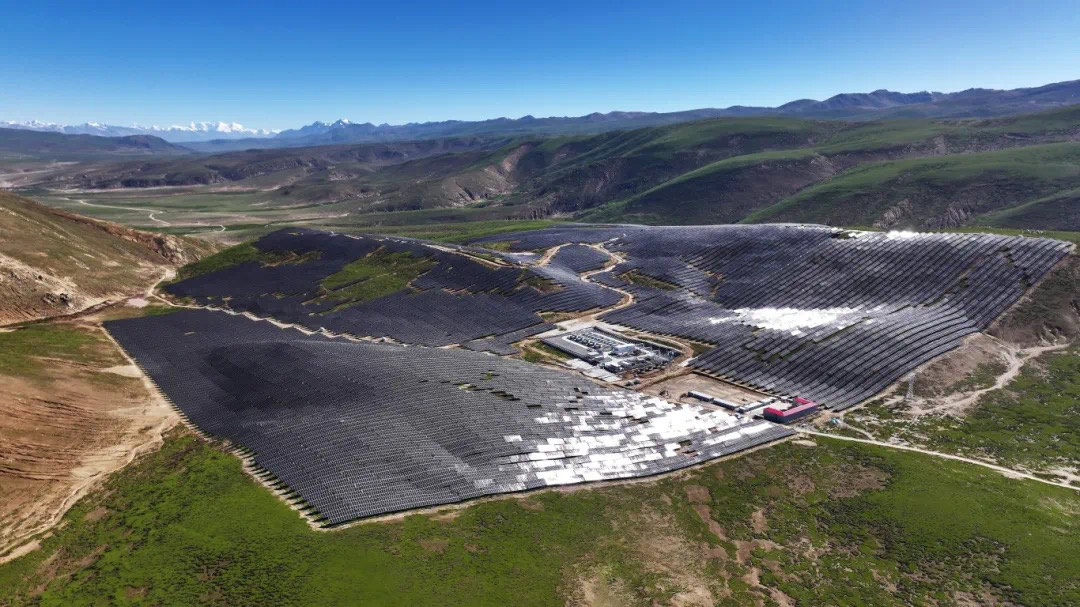
According to the report, extensive solar projects are being constructed across Tibet’s mountains, valleys, and grasslands, with one of the most significant developments being a 1,000,000-watt solar facility in Khokla Town, Nyakchu County. Chinese authorities claim this project, reportedly generating 20 billion watts annually, is the world’s largest of its kind.

Local entrepreneur Mingyur Dorjee has raised alarm about the cultural and environmental impact of these developments. In a recent sixteen-minute video, he emphasised that Tibetan nomadic communities have relied on these grasslands for generations, warning that separating nomads from their traditional lands threatens to erode centuries-old customs and ways of life.
The solar expansion coincides with new restrictions on nomadic practices. Since early 2023, authorities have implemented a mandatory livestock tagging program in regions including Golog, Ngaba, and Khyungchu. Nomadic households face strict limitations, being forced to reduce their herds to just seven yaks per family member. Additionally, communities report being charged 50,000 yuan as a “national tax,” despite initial promises of compensation for livestock losses if the animals are tagged.
China, currently the world’s leading solar power producer, began installing solar panels in Tibet around 1980. The installations now span numerous regions, including Ngari, Nyemo, Shigatse, and Nyingchi. A notable example is the recently completed solar station in Ruthog County, Ngari, which covers 566 square meters at an elevation of 4,400 meters.
Environmental advocates warn that the rapid expansion of solar installations is disrupting the region’s delicate ecological balance, affecting wildlife habitats and traditional grazing lands. Critics argue that while the Chinese government frames these developments as steps toward creating an affluent middle-class society, the projects are effectively displacing traditional communities and transforming vital pastoral lands into commercial zones under China’s National Grassland Rights Act, which designates grassland ownership to the state.


